

 Call Now
 Whatsapp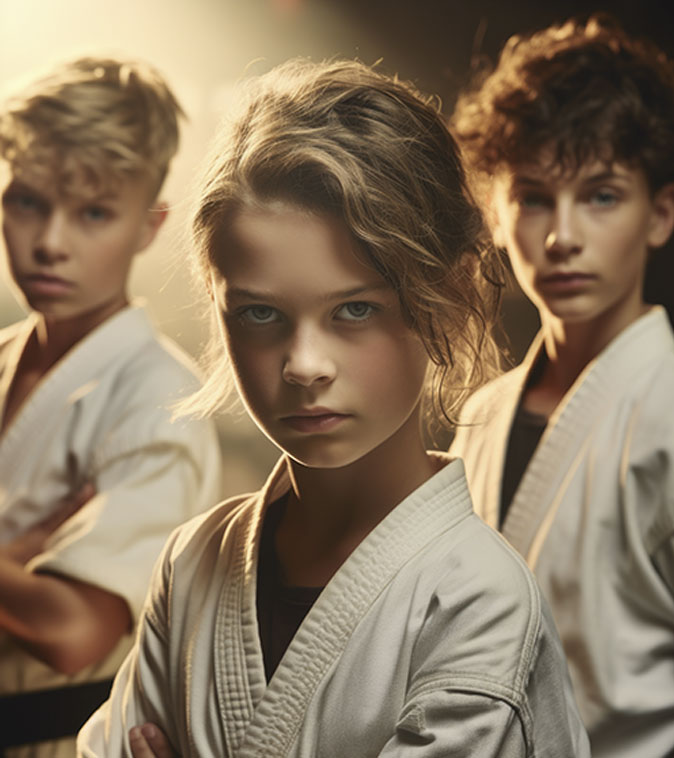

More Than Just Fighting: A Journey Through the History of Karate
Date: April 22, 2026
When most people picture karate, they imagine powerful strikes, intimidating shouts, and breaking boards. But the history of this world-renowned martial art is a fascinating story of cultural exchange, adaptation, and philosophy that begins not in mainland Japan, but on the small islands of Okinawa.
From "Chinese Hand" to "Empty Hand"
Karate's origins date back centuries to the Ryukyu Kingdom (now Okinawa, Japan). As a vital trading hub, Okinawa was heavily influenced by its neighbours, particularly China. In the 14th century, Chinese martial artists began travelling to the islands, blending their techniques with the indigenous Ryukyuan fighting style known as te (手), meaning “hand” (Rielly, 2011).
In the early 17th century, the Satsuma clan from Japan invaded Okinawa and banned the carrying of swords (Turnbull, 2011). This prohibition forced Okinawan nobles and warriors to refine their unarmed combat techniques in secret, creating a highly effective form of self-defense. This blend was initially called Tode or Kara-te, both written with the characters for "Tang hand" or "Chinese hand," acknowledging its Chinese roots.
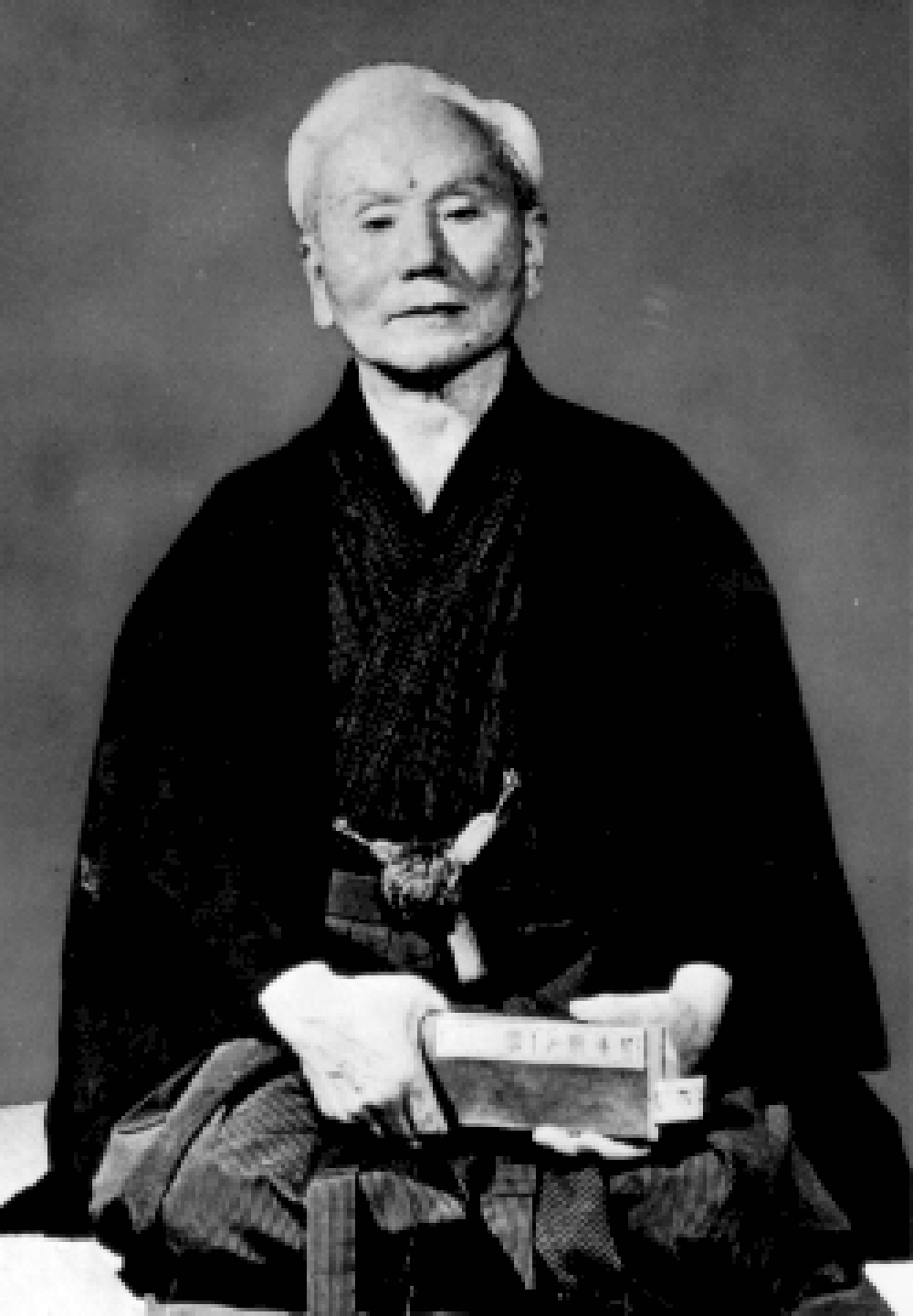
The art remained a closely guarded secret until the early 20th century. In 1922, a master named Gichin Funakoshi travelled to Tokyo to introduce karate to mainland Japan at a national athletic exhibition. The demonstration was a massive success, and Funakoshi, often called the "father of modern karate," decided to stay and teach.
During this period, Japan's nationalistic sentiment was rising. To make the Okinawan art more palatable and to align it with other Japanese martial arts like Judo and Kendo, Funakoshi and others made two significant changes. First, they changed the character for kara from "Tang/China" to a homophone meaning "empty." This shifted the art's meaning from "Chinese hand" to "empty hand" —a concept that resonated with the Zen Buddhist idea of emptiness and selflessness. Second, they added the suffix -do, meaning "the way," transforming it from a simple fighting technique (jutsu) into a path for spiritual and personal development. Thus, Karate-do was born.
Karate Goes Global
After World War II, American soldiers stationed in Japan and Okinawa were introduced to karate. They brought their newfound passion back home, planting the seeds for its global spread. The martial arts movie craze of the 1960s and 1970s, starring icons like Bruce Lee, exploded karate's popularity, turning it into the international phenomenon it is today, with an estimated 50 to 100 million practitioners worldwide (World karate federation , 2024).
From a secret form of resistance on a small island to an Olympic sport debuting at the 2020 Tokyo Games, the journey of karate is a testament to its power not just as a form of self-defense, but as a tool for building character and bridging cultures. As Funakoshi himself said, "The ultimate aim of karate lies not in victory nor defeat, but in the perfection of the character of its participants”(English Shotokan Academy , 2016).
References
English Shotokan Academy , 2016. Quotes from Gichin Funakoshi. [Online]
Available at: https://www.englishshotokan.net/quotes-from-gichin-funakoshi/
[Accessed 21 April 2026].
Rielly, R., 2011. Complete Shotokan karate: History, philosophy, and practice.. s.l.:Tuttle Publishing..
Turnbull, S., 2011. The samurai capture a king: Okinawa 1609 (Vol. 6). s.l.:Bloomsbury Publishing..
World karate federation , 2024. Karate: The Great Greatest Absence of Paris 2024; The Global Popularity of Karate (Part 3). [Online]
Available at: https://www.wkf.net/news-center/article/!/2630/karate-the-great-greatest-absence-of-paris-2024-the-global-popularity-of-karate-part-3
[Accessed 21 April 2026].